

4 Things Optometrists Do During a Comprehensive Eye Exam
A comprehensive eye exam is about much more than checking whether your vision has become blurry or your glasses need an update. These appointments provide a detailed look at how your eyes are functioning, how they work together, and whether there are early signs of problems that could affect your vision down the road. This broader approach helps catch concerns before they begin to interfere with daily life and ensures that minor issues don’t become major ones later on. Regular evaluations also allow eye doctors to track subtle changes that could reveal underlying health shifts over time.
Even people who believe their eyesight is adequate can benefit from regular exams that establish a baseline for future comparison. During these visits, optometrists combine patient history, visual testing, and advanced diagnostic tools to build a complete picture of eye health.
1. Evaluate Visual Acuity and Clarity
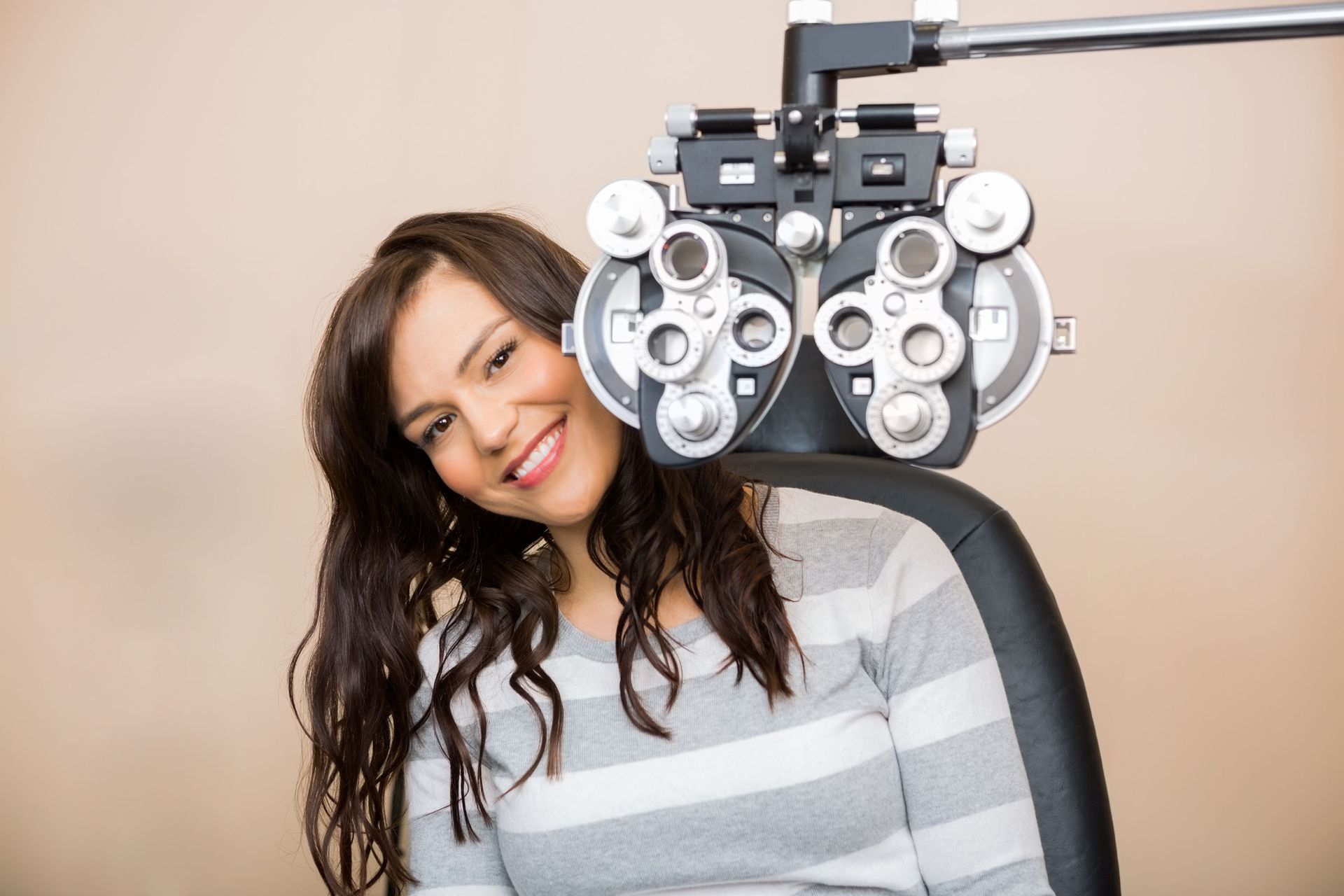
One of the first areas addressed during a comprehensive eye exam is visual acuity. This portion determines how clearly you see at various distances and often includes reading letters from a chart. While this may seem basic, it helps establish whether corrective lenses are needed or if an existing prescription should be adjusted.
Changes in visual clarity can occur gradually, making them easy to overlook in everyday life. A structured acuity test allows small shifts in vision to be identified before they begin to interfere with work, driving, or daily activities. Early detection can prevent unnecessary frustration and safety concerns, helping you adapt quickly with the right corrective solutions.
During this stage, optometrists also assess how well each eye sees on its own versus how the eyes work together. Differences between the eyes can indicate issues that go beyond simple nearsightedness or farsightedness. Detecting these differences early allows for more targeted correction and monitoring. This evaluation supports both comfort and long-term visual efficiency, improving everything from reading speed to depth perception.
The results of visual acuity testing help guide the rest of the exam. Clear measurements give professionals a reference point, making it easier to spot changes in future visits. Over time, this data becomes valuable for tracking eye health trends unique to each patient. Consistent records help ensure continuity of care and create an evolving map of your visual history.
2. Check Eye Muscle Function and Alignment
Eye exams also focus on how well the eye muscles function and whether the eyes are properly aligned. Even subtle alignment issues can cause headaches, eye strain, or difficulty focusing, particularly during tasks that require prolonged concentration. These symptoms often worsen without proper evaluation, making this portion of the exam essential for diagnosing hidden causes of visual fatigue.
Tests for muscle function often involve following an object with your eyes or focusing on targets at different distances. These exercises help determine whether the eyes move smoothly and coordinate effectively. When alignment is off, the brain may work harder to compensate, leading to fatigue. Identifying this strain can explain persistent discomfort and help guide treatment toward long-term relief.
In this portion of the exam, optometrists look for signs of conditions such as convergence insufficiency or other coordination challenges. Identifying these concerns early allows for management strategies that may include exercises, lenses, or lifestyle adjustments. Small corrections can make reading, computer work, and other daily tasks feel noticeably easier.
This step also helps explain symptoms patients may not have connected to their vision. Difficulty concentrating, frequent headaches, or even neck strain can sometimes be traced back to how the eyes work together. Understanding this connection can be reassuring and informative. It also helps patients better recognize when to seek care, reducing the risk of chronic strain or productivity loss.
3. Examine Eye Health and Internal Structures
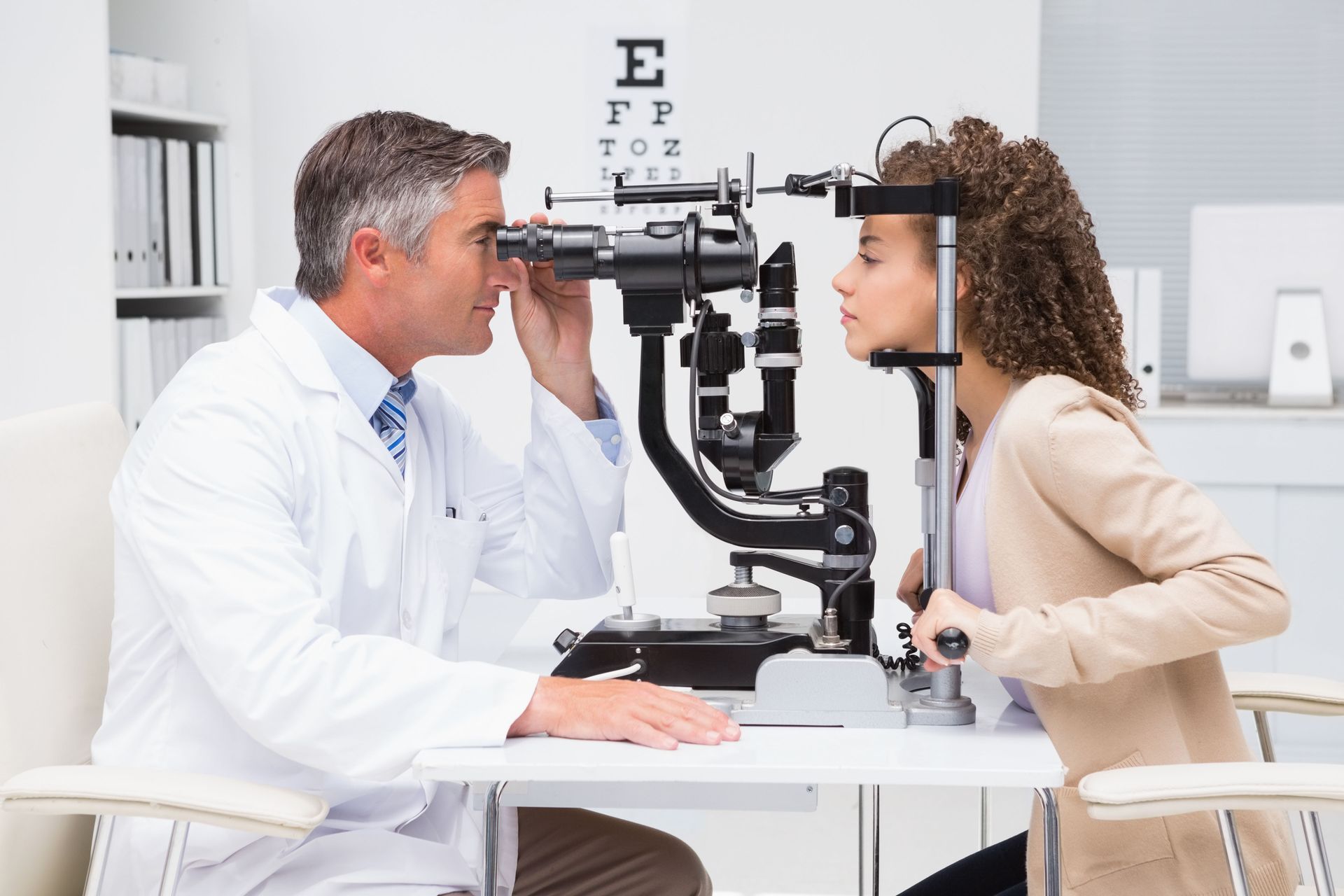
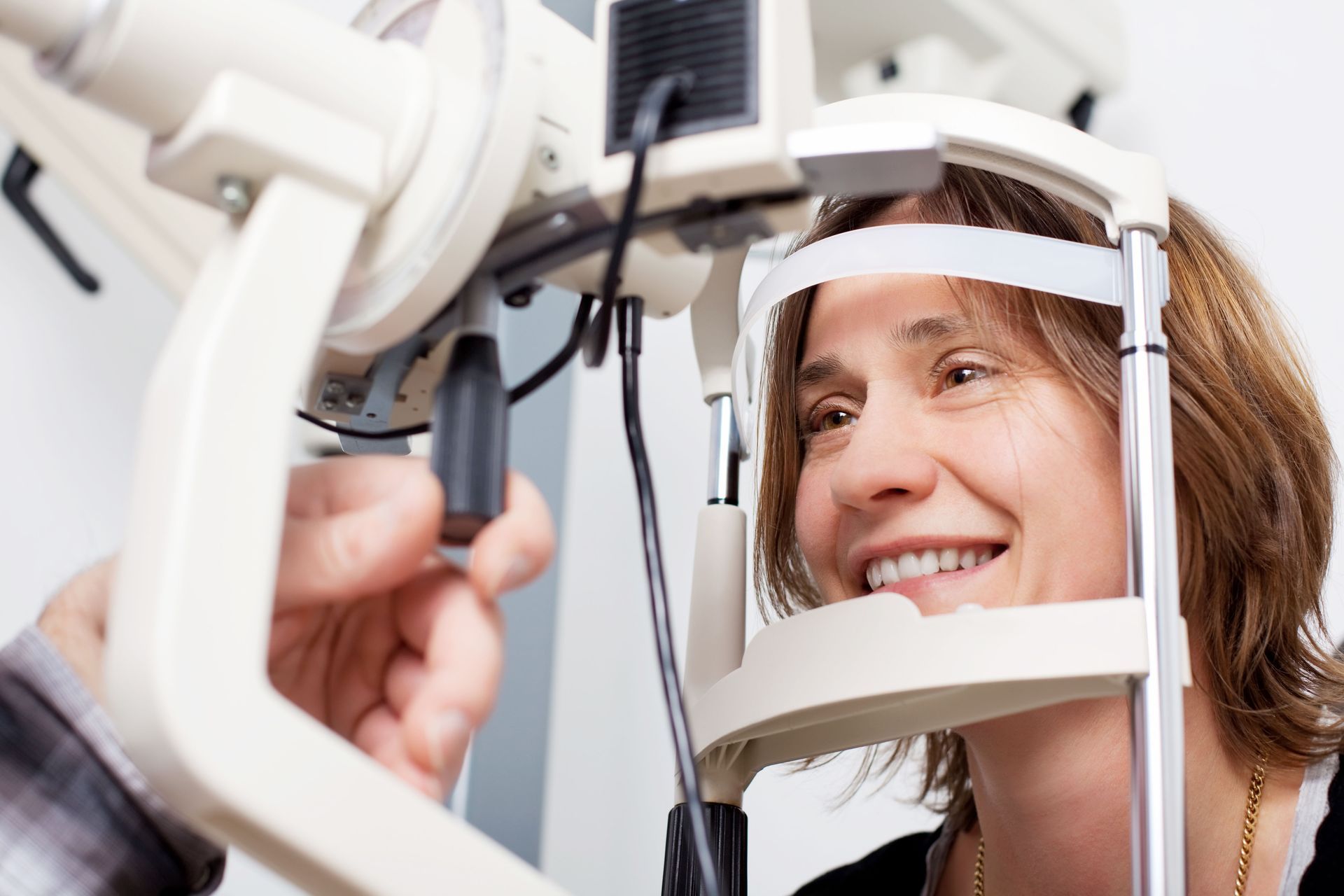
Beyond vision and muscle function, a comprehensive exam includes a close look at the physical health of the eyes. Specialized instruments allow providers to examine the front and back structures of the eye, including the cornea, retina, and optic nerve. These evaluations are essential for detecting early signs of disease. Many serious conditions, such as glaucoma, macular degeneration, and diabetic retinopathy, are only visible through these exams.
Many eye conditions develop without noticeable symptoms in their early stages. According to the American Medical Association, over 12 million people in the U.S. over the age of 40 have some degree of vision impairment. This statistic highlights why routine exams are critical, even when vision seems unchanged. Prevention and early awareness play a major role in preserving sight and maintaining quality of life.
During this phase, optometrists may dilate the pupils or use imaging technology to get a clearer view of internal structures. These methods help identify concerns such as retinal changes, pressure issues, or abnormalities that require monitoring. Early detection often leads to better outcomes and more treatment options. This proactive approach supports long-term eye health and peace of mind for patients.
Regular health checks of the eyes also provide insight into overall wellness. Because blood vessels and nerves are visible in the eyes, exams can sometimes reveal indicators related to broader health concerns such as hypertension, diabetes, or autoimmune disease, making eye exams a valuable component of preventive care.
4. Assess Eye Strain and Lifestyle Factors
Modern lifestyles place significant demands on our eyes, particularly with increased screen use. Comprehensive exams take these habits into account by discussing symptoms like dryness, fatigue, or difficulty focusing after long periods of near work. These conversations are just as important as the physical tests. They help tailor care to real-world conditions and provide practical solutions for today’s visual demands.
Providers often ask about work environments, hobbies, and daily routines to understand how visual demands may affect comfort. Small adjustments, such as changes in lighting, blue-light filters, or screen positioning, can make a noticeable difference. Tailored recommendations help reduce strain and improve daily visual comfort. These suggestions are often easy to implement yet highly impactful.
In evaluating these factors, optometrists look beyond test results to understand how vision fits into everyday life. This holistic approach ensures that recommendations are practical and relevant, rather than one-size-fits-all solutions. It also helps patients feel heard and supported. Personalized care encourages better follow-through and fosters trust in long-term eye health management.
Simple strategies introduced early can protect visual comfort and reduce the likelihood of more serious problems developing over time. Consistent habits, like managing screen time and maintaining good hydration, can improve overall eye comfort and productivity.
A comprehensive eye exam is a detailed process designed to protect both vision and overall eye health. From measuring visual clarity to examining internal structures, each step plays a role in identifying current issues and preventing future concerns. Understanding these components helps patients appreciate the value of regular appointments. Knowledge empowers better eye care decisions and lifelong vision wellness.
By taking the time to evaluate vision, eye coordination, health indicators, and daily habits, optometrists provide care that extends well beyond a basic prescription check. These thorough exams support long-term eye wellness and help individuals maintain clear, comfortable vision throughout every stage of life. Investing in routine eye care is one of the simplest yet most effective ways to preserve your health and enjoy the world in sharp, vivid detail.
Ready to take the next step in protecting your vision? Schedule an appointment with one of our experienced optometrists at Westgrove Vision Center today.
Share On: